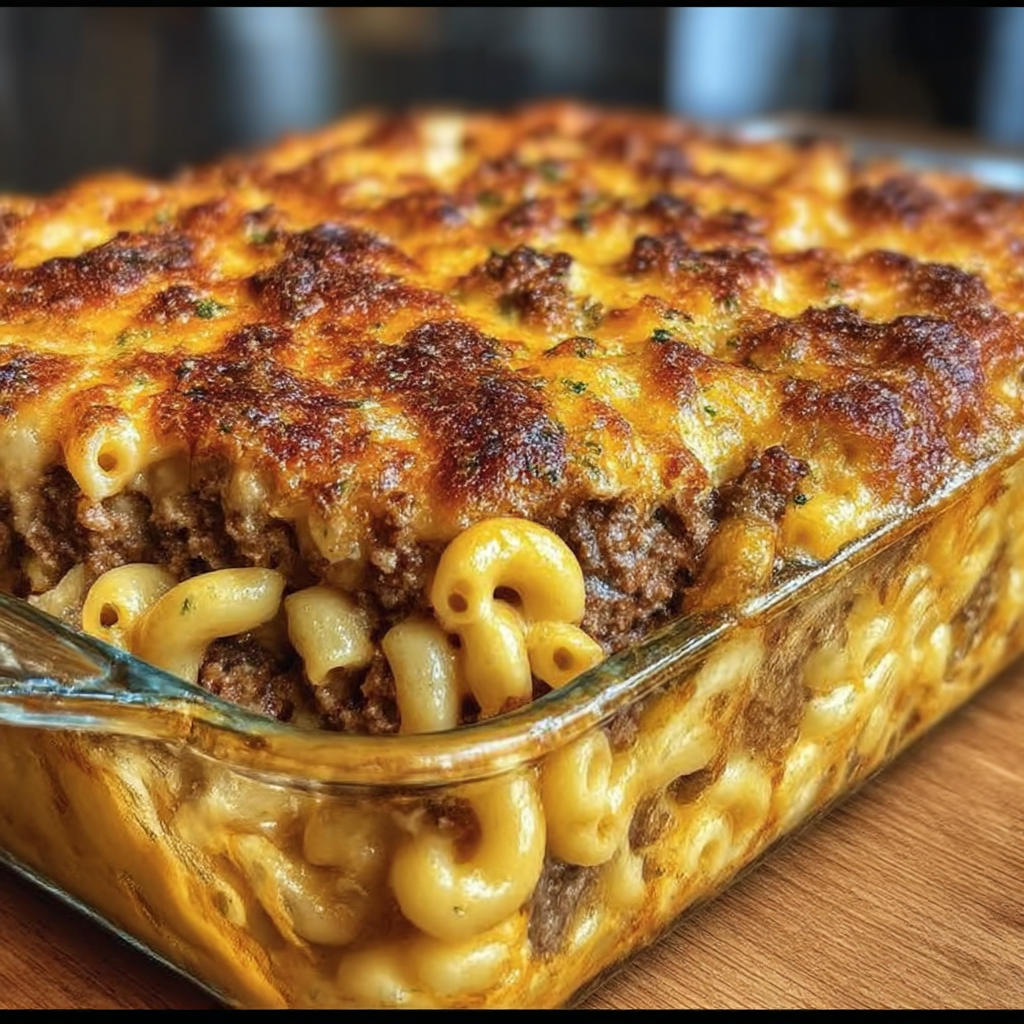
This Mac and Cheese Meatloaf Casserole attempts to combine two beloved comfort foods but contains several technical issues that prevent it from achieving satisfactory results. The original recipe has structural problems with the sauce component and lacks proper flavor development in the meatloaf base. While the concept of merging meatloaf with mac and cheese has appeal, the execution needs significant revision to create a cohesive, flavorful dish.
The recipe as written will likely produce disappointing results due to inadequate binding for the cheese sauce and insufficient seasoning throughout. A revised approach addresses these fundamental issues while maintaining the comfort food appeal.
Issues with the Original Recipe
Inadequate Cheese Sauce – Mixing milk with ketchup creates neither proper cheese sauce nor appealing flavor. Real mac and cheese requires a roux-based sauce to achieve proper consistency and prevent separation.
Under-Seasoned Meatloaf – The base lacks essential flavor builders like onion, garlic, or Worcestershire sauce that make meatloaf appealing rather than bland.
Structural Problems – Without proper sauce binding the pasta layer, the components won’t integrate effectively during baking.
Poor Liquid Ratio – The milk-ketchup mixture won’t create cohesive results or proper cheese melting.
Missing Aromatics – No onion or garlic in the meat mixture eliminates key flavor development.
Insufficient Binding – The cheese won’t properly integrate without a proper sauce base.
Improved Ingredients You’ll Need
For the Enhanced Meatloaf Base:
- 1 lb ground beef (80/20 blend) – provides proper fat content for flavor and moisture
- 1 cup breadcrumbs – helps bind the meat mixture
- 2 eggs – essential binding agents
- 1 medium onion, finely chopped – adds moisture and aromatic flavor
- 2 cloves garlic, minced – contributes savory depth
- 1 tablespoon Worcestershire sauce – enhances umami and complexity
- 1 teaspoon salt – properly seasons the meat
- 1/2 teaspoon black pepper – adds warmth and depth
For the Proper Mac and Cheese Layer:
- 2 cups elbow macaroni, cooked al dente – provides substantial pasta component
- 3 tablespoons butter – creates roux base for sauce
- 3 tablespoons all-purpose flour – thickens the cheese sauce
- 1 1/2 cups milk – creates proper sauce consistency
- 2 cups shredded sharp cheddar cheese – delivers real cheese flavor
- 1/2 teaspoon dry mustard – enhances cheese flavor
- 1/4 teaspoon salt – seasons the sauce
For the Finishing Touch:
- 1/3 cup ketchup mixed with 1 tablespoon brown sugar – creates proper meatloaf glaze
Step-by-Step Instructions
Build the Proper Meatloaf Foundation
Preheat oven to 375°F and grease a 9×13-inch baking dish. Combine ground beef, breadcrumbs, eggs, chopped onion, minced garlic, Worcestershire sauce, salt, and pepper in a large bowl. Mix gently until just combined, then press mixture evenly into the bottom of the prepared baking dish.
Create Real Cheese Sauce
In a medium saucepan, melt butter over medium heat. Whisk in flour and cook for 1 minute to eliminate raw flour taste. Gradually add milk while whisking constantly to prevent lumps. Cook until thickened, about 3-5 minutes. Remove from heat and stir in cheese and dry mustard until smooth.
Assemble the Layers Correctly
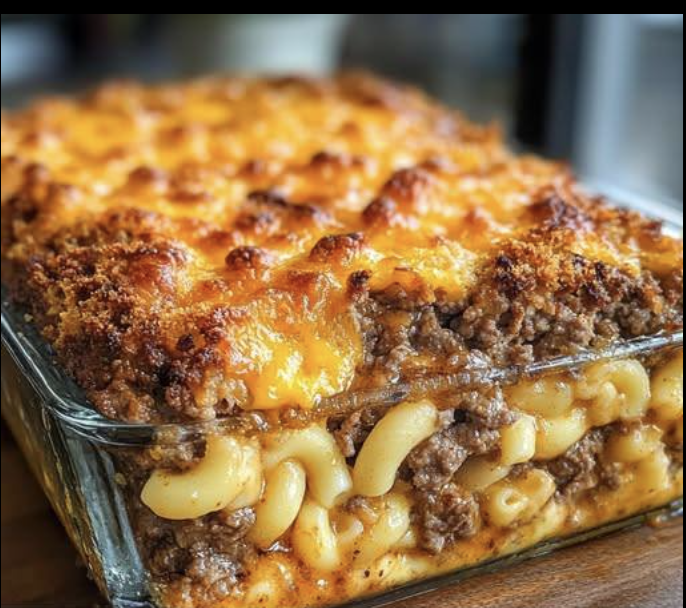
Spread cooked macaroni evenly over the meatloaf base. Pour the cheese sauce over the pasta, ensuring even coverage. Mix ketchup with brown sugar and spread over the top as a glaze.
Bake to Proper Doneness
Bake for 35-40 minutes until the meatloaf reaches an internal temperature of 160°F and the cheese sauce is bubbly around the edges. The top should be lightly golden.
Rest Before Serving
Allow the casserole to cool for 10 minutes before serving. This resting period helps the layers set and makes serving easier while preventing burns from hot cheese sauce.
Recipe Notes & Tips
Proper Meat Mixing – Combine meatloaf ingredients gently to avoid tough texture from overmixing.
Roux Technique – Cook flour and butter mixture adequately to eliminate raw flour taste in the sauce.
Cheese Integration – Remove sauce from heat before adding cheese to prevent separation or grittiness.
Temperature Monitoring – Use meat thermometer to ensure meatloaf reaches safe internal temperature.
Pasta Cooking – Cook macaroni just to al dente since it will continue cooking in the oven.
Nutritional Information
- Prep Time: 20 minutes
- Cook Time: 40 minutes
- Total Time: 1 hour
- Servings: 8 people
- Substantial comfort food intended for sharing
Perfect Pairings
Fresh Balance – Simple green salad or steamed vegetables provide nutritional contrast to the rich casserole.
Acidic Elements – Pickles or pickle relish cut through the richness effectively.
Bread Options – Dinner rolls complement the hearty casserole without overwhelming it.
Light Beverages – Iced tea or sparkling water balance the substantial meal.
Ideal Occasions
Family Comfort Meals – Perfect for when you want familiar flavors in a new format.
Potluck Contributions – Feeds many people and travels well in the baking dish.
Cold Weather Dinners – Warming, substantial dish ideal for autumn and winter.
Kid-Friendly Dinners – Combines two foods children typically enjoy.
Storage & Make-Ahead Tips
Assembly Ahead – Can be assembled through the cheese sauce stage and refrigerated before baking.
Leftover Management – Refrigerate covered for up to 4 days; reheat individual portions.
Reheating Method – Cover with foil and warm in 350°F oven until heated through.
Quality Maintenance – Best consumed within 2-3 days for optimal texture.
Creative Variations to Try
Protein Alternatives – Use ground turkey or a beef-pork combination for different flavors.
Cheese Varieties – Try different cheese combinations like cheddar-Monterey Jack blend.
Vegetable Additions – Include diced bell peppers or mushrooms in the meatloaf layer.
Spice Adjustments – Add paprika or garlic powder for additional flavor complexity.
Troubleshooting Common Issues
Watery Results – Ensure proper roux preparation and adequate cooking time for cheese sauce.
Bland Flavor – Don’t skip the aromatics and seasonings in the revised ingredient list.
Separation Problems – Remove sauce from heat before adding cheese and avoid high temperatures.
Uneven Cooking – Press meatloaf layer evenly and ensure uniform thickness throughout.
Why This Recipe Works (With Revisions)
The improved version succeeds because it uses proper techniques for both meatloaf and cheese sauce rather than attempting shortcuts that don’t work. The roux-based cheese sauce creates the creamy texture associated with good mac and cheese, while proper seasoning of the meatloaf ensures it contributes meaningful flavor rather than just serving as a bland base.
The revised approach respects the fundamental techniques that make each component successful individually.
Final Thoughts
While the original concept of combining meatloaf with mac and cheese has merit, proper execution requires understanding the techniques that make each dish work independently. The revised version addresses the fundamental flaws while maintaining the comfort food appeal that makes this combination attractive.
This demonstrates why recipe development requires technical understanding beyond just combining ingredients – successful fusion cooking respects the principles that make individual dishes successful.